Cloud data centers have become indispensable pillars of today’s digital ecosystem. They power everything from healthcare record systems and online education platforms to smart home devices and global communication networks. With Microsoft operating more than 300 data centers worldwide, these facilities form the backbone of cloud services that millions rely on daily. Beyond their operational importance, data centers are increasingly central to the tech industry’s commitment to environmental stewardship.
As artificial intelligence (AI) grows in prominence, it not only transforms cloud computing capabilities but also holds significant potential to accelerate sustainability initiatives. This intersection positions data centers at the forefront of innovation, serving as both enablers of digital transformation and catalysts for circular economy principles within cloud infrastructure.
The journey toward sustainability in cloud computing demands rethinking traditional approaches to data center design, construction, and operation. Microsoft’s data centers exemplify this shift by integrating advanced strategies that reduce environmental impact without compromising performance or scalability.
Applying circular economy principles in data centers means prioritizing resource efficiency, waste reduction, and material reuse. By designing facilities with modular components and promoting refurbishment of hardware, companies can drastically cut down electronic waste and resource depletion. Microsoft’s commitment to circular economy data centers involves:
- Recyclable server components designed for durability and easy recovery
- Material choices that minimize extraction of virgin resources
- Long-term asset lifecycle management coupled with responsible disposal methods
This model not only supports sustainability goals but also reduces operational costs over time, creating a compelling blend of ecological and economic benefits.
Another critical advance in sustainable cloud infrastructure lies in the use of low-carbon concrete and other eco-friendly building materials. Traditional concrete production is a significant source of carbon emissions, but using innovative formulations and alternative binders helps reduce this footprint substantially.
Microsoft’s adoption of low-carbon concrete in their data centers underscores the importance of considering embodied carbon — the emissions generated during construction — alongside operational electricity use. This practice aligns with a holistic view of sustainability that captures a data center’s full lifecycle impact.
Cooling systems are among the largest consumers of water and energy in data centers. Microsoft’s investment in water-saving cooling technology demonstrates how intelligent design can preserve natural resources. Techniques include:
- Closed-loop cooling systems that minimize water consumption
- Utilization of recycled and harvested water sources
- Advanced thermal management leveraging AI to optimize cooling efficiency dynamically
Integrating these technologies reduces both operational costs and environmental strain, which is essential as the demand for cloud capacity escalates.
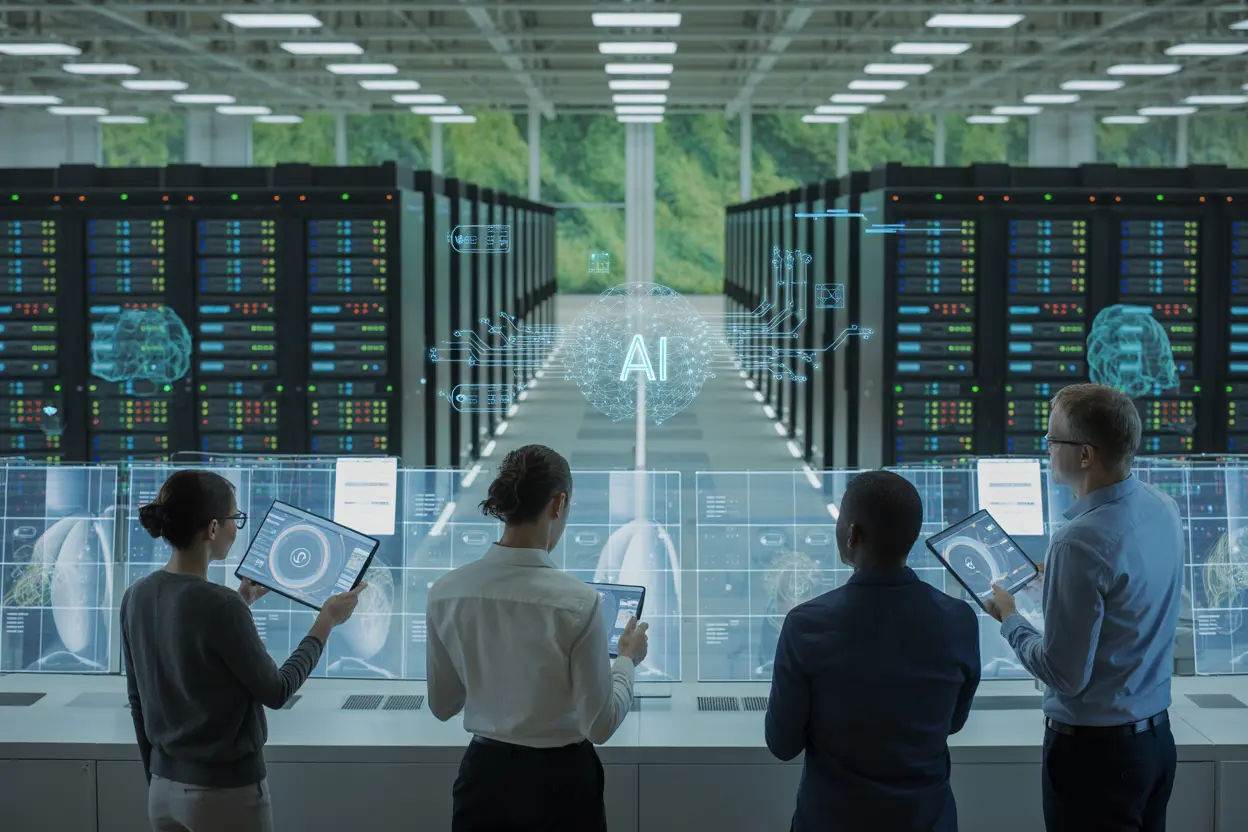
The Critical Role of Cloud Data Centers in Modern Life and Sustainability
Power sourcing is a fundamental determinant of a data center’s carbon footprint. Microsoft’s carbon-free energy data centers exemplify the shift toward renewable energy integration. Achieving carbon neutrality involves:
- Direct procurement of clean energy such as wind, solar, and hydroelectric power
- Energy storage systems to balance intermittent renewable supply
- Grid innovations that enable flexible, demand-responsive operation
This portfolio approach leverages technology and strategic partnerships to decouple cloud infrastructure growth from carbon emissions effectively.
AI as a Catalyst for Cloud Sustainability
Artificial intelligence extends beyond enhancing cloud performance — it serves as a critical enabler for sustainability practices within data centers. Intelligent automation, predictive analytics, and generative AI models contribute to optimizing resource usage and accelerating innovation.
Automated AI Workflows for Energy Optimization
AI-powered automation orchestrates complex data center operations to reduce energy consumption. Through continuous monitoring and real-time adjustments, automated AI workflows identify inefficiencies and recalibrate systems, such as adjusting cooling power or redistributing computational loads, leading to significant energy savings.
Business Intelligence and Predictive Maintenance
Predictive analytics driven by AI allows for proactive maintenance of data center infrastructure, preventing unexpected outages and prolonging equipment lifespan. By forecasting component degradation and workload demand, decision-makers can optimize replacements and upgrades, aligning operational reliability with sustainability objectives.
Generative Intelligence in Design and Development
Generative AI assists in creating optimized architectural designs and software solutions that maximize efficiency. For instance, AI-driven simulations can propose data center layouts that enhance airflow and reduce cooling needs, or software tools that lower power consumption during application execution.
Cross-Industry Impact: Bridging AI, Software Development, and Sustainability
The sustainable innovations in cloud infrastructure reverberate across multiple domains, including software development, UI/UX design, and app development. Companies like DIO STUDIO embrace these principles by integrating AI-driven solutions and sustainable design philosophies into their services.
Design and Development for Sustainability
Modern software development harnesses AI not only for product functionality but also to optimize the environmental footprint of applications. Efficient coding, serverless architectures, and mindful API development contribute to lowering energy use during app runtime and cloud resource consumption.
Elevating Customer Experience with Sustainable AI
By deploying AI chatbots and agents that utilize optimized cloud infrastructure, businesses can enhance customer interactions without compromising on sustainability. Automated AI workflows streamline processes, reduce redundancies, and improve scalability, aligning business growth with ecological responsibility.
Driving Business Automation with Green Cloud Technologies
Business automation benefits from sustainable cloud innovations by ensuring that digital transformation efforts do not exacerbate environmental challenges. Cloud infrastructure innovation that embraces energy-efficient practices enables companies to scale operations responsibly, positively impacting B2B sales and digital marketing strategies.
Future Outlook: The Continued Evolution of Sustainable Cloud Data Centers
As demand for cloud services multiplies and AI technologies advance, integrating sustainability into cloud infrastructure will remain critical. Data centers are shifting from energy-intensive facilities to smart, adaptive ecosystems that balance technological progress with environmental imperatives.
Investments in circular economy models, low-carbon materials, water conservation, and AI-driven optimization represent milestones in this evolution. For businesses and developers alike, adopting these innovations opens new pathways to growth that are both profitable and planet-friendly.
Ultimately, sustainability in cloud computing is not an isolated effort but a collaborative venture spanning technology, design, and strategic leadership — one where companies like Microsoft set benchmarks, and visionary partners turn ideas into impactful, scalable solutions.